

OUR PROGRAMS
Twos
Classroom
Where curiosity grows into confidence through purposeful play.
Building Big Skills Every Day
ABOUT OUR TWOS PROGRAM
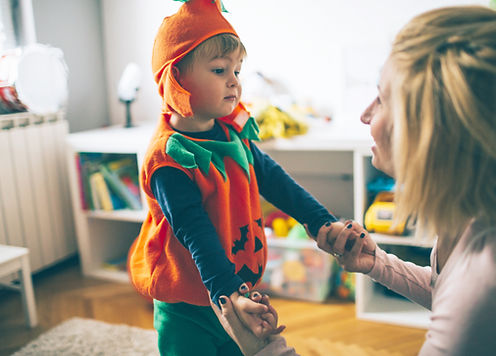
The twos are an incredible season of growth, curiosity, and independence. In our Twos Classroom, children learn through hands-on exploration, meaningful relationships, and purposeful play while building the confidence and foundational skills they'll carry into preschool and beyond.
Using the Frog Street Toddler Curriculum, our teachers create engaging experiences that encourage problem-solving, language development, creativity, and social-emotional growth—all within a nurturing environment where children feel safe to explore.
A Full Day of Learning & Fun
From morning circle time to sensory exploration and outdoor adventures, every part of our day is intentionally planned to encourage learning, creativity, and confidence.
Learning
Centers
Outdoor
Play
Social Emotional
Development
Language
Development
Learning
Centers
Nutritious Meals
& Snacks
Physical Development
Cognitive Development
Read
Alouds
OUR CURRICULUM
Curriculum Built for Growth
At all of our locations we are proud to partner with Frogstreet Curriculum. This research-based program provides a strong foundation for life-long learning through lay, exploration, and meaningful relationships.

Research-Based & Purposeful
Frogstreet is a comprehensive , research-based curriculum that nurtures children's cognitive, social, emotional, and physical development through intentional, hands-on learning.
Supporting Every Child
Designed for children from infancy through pre-kindergarten, Frogstreet meets the diverse needs of all learners and supports key developmental milestones at every age.
Connected Learning
With engaging resources for educators and families, Frogstreet builds strong school-to-home connections that supports each child's growth everyday.

Frogstreet combines play-based learning with instructional teaching strategies to engage children in activities that spark curiosity, creativity, problem solving, and social skills.
Language & Literacy
Early Numeracy
Social-Emotional Growth
Physical Development
POTTY MASTERY
Building Confidence,
One Step at a Time
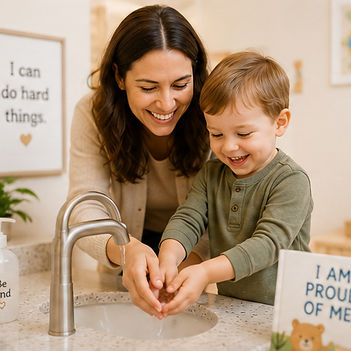
At The Academy, we approach potty mastery as a developmental milestone—not a race. Inspired by Conscious Discipline, we believe children are most successful when they feel safe, capable, and encouraged throughout the process.
Rather than using pressure or rely solely on rewards, our teachers partner with families to recognize each child's readiness, build confidence, celebrate progress, and create positive routines that help children become independent.
Our consistent approach has helped hundreds of children successfully master this important milestone with confidence and pride.
Child-Led Readiness
We follow each child's developmental cues and work alongside families to begin when they're ready.
Encouragement
Over Pressure
We celebrate progress, build confidence, and support children through accidents with patience and understanding.
School & Home Partnership
Consistent communication between teachers and families helps children experience success both at school and at home.
Building Independence
Potty mastery becomes another opportunity for children to practice responsibility, confidence, self-care, and independence.
A Gentle,
Positive Process
We know every child's journey looks different. Whether it takes a few weeks or a little longer, our experienced teachers provide encouragement, consistency, and compassionate guidance every step of the way.
Our goal isn't simply potty training—it's helping children develop the confidence and independence they'll carry into every new milestone ahead.
INSPIRED LEARNING PHILOSOPHY
Learning Inspired
by Childhood.
At The Academy, we believe children learn best when intentional teaching meets purposeful play. That's the heart of our Inspire Learning philosophy—a balanced approach that nurtures academic growth, curiosity, creativity, and meaningful relationships.
Our Programs blend research-based instruction with hands-on exploration, giving children the opportunity to build confidence, develop essential kindergarten readiness skills, and discover the joy of learning in a nurturing environment.
Every day is intentionally designed to prepare children for what comes next while preserving the wonder, imagination, and excitement of childhood.
Why Inspire Learning Works
Our Inspire Learning philosophy brings together the best of purposeful play, intentional teaching, and meaningful relationships to prepare children for what's ahead while preserving the joy of childhood.
Balances structured instruction with hands-on discovery
Encourages curiosity, and creativity
Builds future school readiness through meaningful experiences
Nurtures both independence and team work
Powered by Inspire Learning
Helps children develop a lifelong love of learning
Every classroom at The Academy follows our proprietary Inspire Learning philosophy—a balanced approach that combines purposeful play, intentional teaching, and meaningful relationships to help children develop confidence, curiosity, and a lifelong love of learning.
Ready to Experience The Academy?
Choosing the right school is an important decision, and we'd be honored to be part of your family's journey. The best way to discover what makes The Academy special is to experience it for yourself.
Tour our classrooms, meet our educators, and see firsthand the joyful, nurturing environment where children are loved every day.